
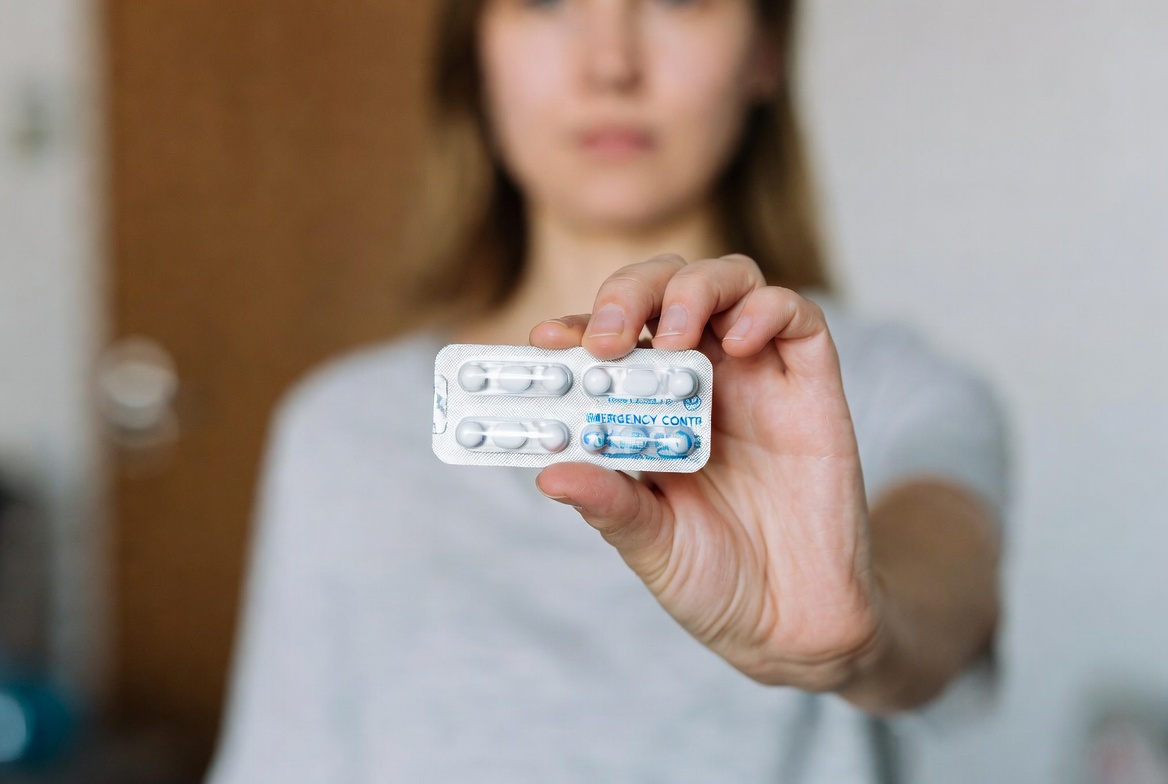
The morning-after pill, also known as emergency contraception (EC), is a safe and effective method to prevent pregnancy after unprotected intercourse, contraceptive failure, or sexual assault. The single most important factor determining its effectiveness is the time elapsed since the unprotected sex occurred. It is crucial to understand that this is a backup method and not a replacement for regular contraception.
Your choice of pill and the timing are critical. There are two main types of oral emergency contraceptive pills available, and each has a different optimal window for use. Acting swiftly significantly increases the chances of preventing an unintended pregnancy.
Emergency Contraception Options and Timelines
| Type of Emergency Contraception | Key Ingredient | Ideal Timeframe | Maximum Timeframe | Important Notes |
|---|---|---|---|---|
| Ulipristal Acetate Pill | Ulipristal acetate | Within 120 hours (5 days) | Up to 5 days | Requires a prescription in most regions. Considered the most effective oral option. Effectiveness may decrease with higher body weight. |
| Levonorgestrel Pill | Levonorgestrel | As soon as possible, within 72 hours (3 days) | Up to 3 days | Available over-the-counter at most pharmacies. Effectiveness decreases with each passing day and may be lower for individuals with a higher BMI. |
| Copper Intrauterine Device (IUD) | Copper (non-hormonal) | Within 120 hours (5 days) | Up to 5 days (or sometimes longer, per provider). | The most effective method of emergency contraception (>99%). Also provides ongoing, long-term contraception for up to 10+ years. Must be inserted by a healthcare professional. |

How Does the Morning-After Pill Work?
Emergency contraceptive pills work primarily by delaying or preventing ovulation, which is the release of an egg from the ovary. They may also thicken cervical mucus to prevent sperm from reaching an egg. It is vital to understand that these pills do not terminate an established pregnancy and are medically different from abortion pills (mifepristone). They are designed to prevent pregnancy from occurring in the first place.
Frequently Asked Questions (FAQ)
What if I vomit after taking the pill?
If you vomit within two to three hours of taking an oral emergency contraceptive pill, it may not have been fully absorbed. You should contact a pharmacist, clinic, or healthcare provider immediately, as you may need to take another dose or consider the copper IUD option.
Will the morning-after pill affect my next period?
Your next menstrual period may come earlier or later than expected. Some people also experience spotting or irregular bleeding in the days following taking EC. If your period is more than one week late, it is advisable to take a pregnancy test.
Does body weight affect effectiveness?
Yes, research indicates that the effectiveness of levonorgestrel-based EC can be reduced for individuals with a body mass index (BMI) over 25-30. Ulipristal acetate may be less effective for those with a BMI over 35. The copper IUD’s effectiveness is not impacted by weight, making it the most reliable option for everyone.
Can I use the morning-after pill as my regular birth control?
No. Emergency contraception is significantly less effective at preventing pregnancy than regular contraceptive methods like the birth control pill, IUD, implant, or ring. It is intended for emergency use only and does not protect against sexually transmitted infections (STIs).
Conclusion: Act Quickly and Seek Accurate Information
In summary, for oral emergency contraception, take ulipristal acetate (EllaOne) within 120 hours or levonorgestrel (Plan B, Take Action, etc.) as soon as possible within 72 hours. The most effective option overall is the copper IUD, which can be inserted by a healthcare provider within five days. Always read the included instructions carefully and consult a pharmacist or doctor if you have questions about drug interactions or your medical history. This information is intended for general guidance. For personalized medical advice, diagnosis, or treatment, always consult a qualified healthcare provider.
Disclaimer: The content provided here is for informational purposes only and does not constitute medical advice. It is not a substitute for professional consultation, diagnosis, or treatment from a qualified healthcare provider. For accurate information and guidance tailored to your personal health situation, you must consult the nearest healthcare institution, clinic, or a licensed medical professional. Never disregard professional medical advice or delay seeking it because of something you have read here.
Keywords: morning after pill, emergency contraception, when to take plan b, ellaone, levonorgestrel, ulipristal acetate, copper iud emergency contraception, unprotected sex, contraceptive failure, timing for emergency pill